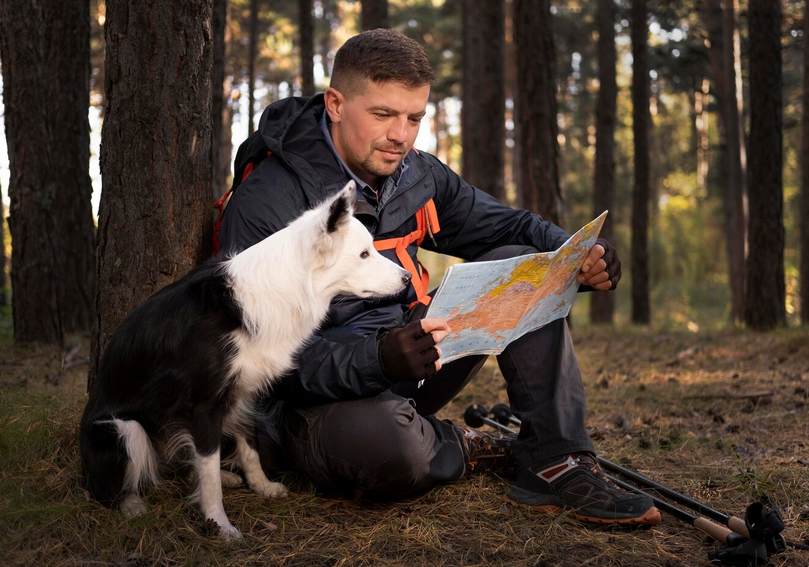
Discover expert trainer tips to improve your pet’s behavior, obedience, and communication with simple and effective techniques.
Training is one of the most important aspects of pet care. A well-trained pet is not only easier to manage but also happier and more confident. Whether you have a new puppy, a playful cat, or an adult pet with behavior issues, proper training can make a significant difference.
In this guide, we’ll explore essential trainer tips that help improve obedience, behavior, and the overall bond between you and your pet.
1. Start Training Early
The best time to start training is when your pet is young. Puppies and kittens learn faster and adapt easily to routines.
Benefits of early training:
- Builds good habits
- Prevents bad behavior
- Improves social skills
However, older pets can also be trained with patience and consistency.
2. Use Positive Reinforcement
Positive reinforcement is one of the most effective training methods.
How it works:
- Reward good behavior
- Use treats, praise, or toys
- Repeat consistently
This encourages pets to repeat desired actions and builds trust.
3. Keep Training Sessions Short
Pets have short attention spans.
Tips:
- 5–10 minute sessions
- Train 2–3 times daily
- End on a positive note
Short sessions keep your pet engaged and motivated.
4. Be Consistent
Consistency is key to successful training.
Important points:
- Use the same commands
- Follow the same routine
- Ensure all family members follow the same rules
Inconsistency can confuse your pet and slow progress.
5. Teach Basic Commands First
Start with simple commands before moving to advanced training.
Basic commands include:
- Sit
- Stay
- Come
- No
These commands are essential for safety and control.
6. Understand Your Pet’s Behavior
Every pet is different, and understanding their behavior helps in training.
Some pets may show signs of stress or Anxiety, especially in new environments.
Watch for:
- Fear or aggression
- Excessive barking
- Hiding or restlessness
Adjust your training approach based on your pet’s comfort level.
7. Avoid Punishment-Based Training
Punishment can harm your pet’s trust and create fear.
Why to avoid it:
- Causes stress
- Leads to aggression
- Damages the bond
Instead, focus on positive methods that build confidence.
8. Socialization is Important
Expose your pet to different environments, people, and other animals.
Benefits:
- Reduces fear
- Improves behavior
- Builds confidence
Proper socialization helps prevent behavioral problems in the future.
9. Use the Right Training Tools
Certain tools can make training easier.
Examples:
- Leashes and harnesses
- Clickers
- Treat pouches
Choose tools that are safe and comfortable for your pet.
10. Be Patient and Calm
Training takes time and effort.
Remember:
- Every pet learns at a different pace
- Stay calm and positive
- Celebrate small progress
Patience leads to long-term success.
11. Address Problem Behaviors Early
Common issues like biting, barking, or jumping should be corrected early.
Tips:
- Identify the cause
- Redirect behavior
- Reward good actions
Ignoring problems can make them harder to fix later.
12. Maintain a Routine
Pets respond well to routine.
Include:
- Fixed training time
- Regular feeding schedule
- Daily exercise
A structured routine supports better behavior.
13. Seek Professional Help if Needed
If training becomes difficult, consult a professional trainer or veterinarian.
When to seek help:
- Severe aggression
- Extreme fear
- Lack of progress
Professional guidance ensures safe and effective training.
Conclusion:
Training is essential for building a strong, healthy relationship with your pet. By using positive reinforcement, staying consistent, and understanding your pet’s behavior, you can achieve excellent results. Remember, training is not just about obedience—it’s about communication, trust, and companionship. With the right approach, every pet can become well-behaved and happy.