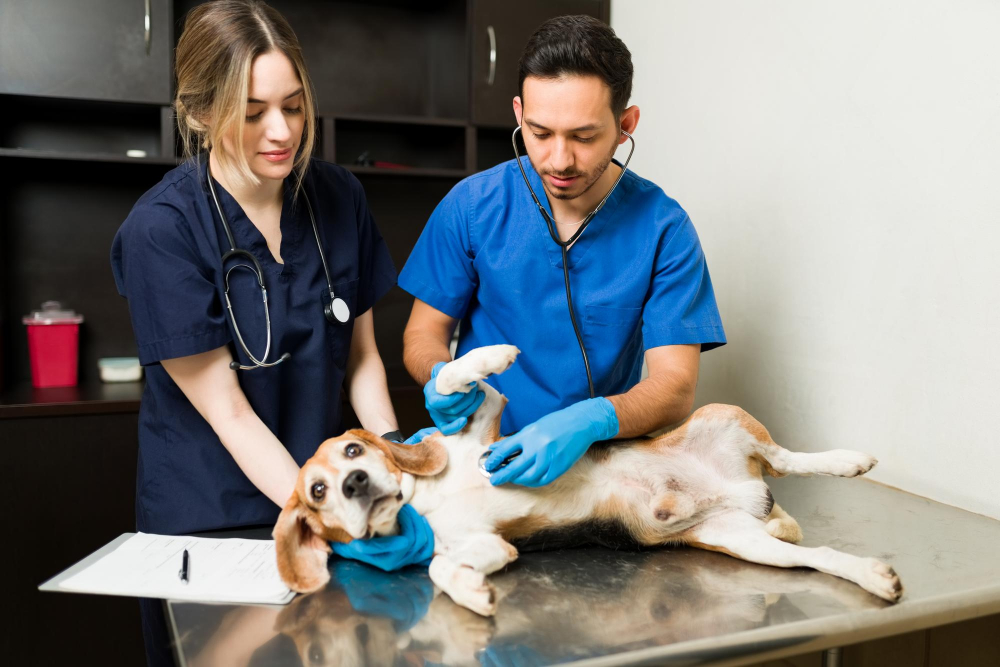
Learn essential pet emergency care tips to handle critical situations quickly and safely before reaching a veterinarian.
Emergencies can happen at any time, and as a pet owner, being prepared can save your pet’s life. Knowing basic first aid and recognizing warning signs can make a huge difference before you reach professional veterinary care. This guide covers essential emergency care tips every pet owner should know.
1. Stay Calm and Act Quickly
In any emergency, the first step is to stay calm. Panic can delay your response and make the situation worse. Observe your pet carefully and try to understand the problem before taking action.
2. Recognize Common Emergencies
Some situations require immediate attention. These include:
- Difficulty breathing
- Severe bleeding
- Unconsciousness
- Seizures
- Sudden collapse
- Signs of Poisoning
Early recognition helps you act fast and seek help quickly.
3. Handling Bleeding and Wounds
If your pet is bleeding, apply gentle pressure with a clean cloth or bandage. Elevate the injured area if possible. For deep wounds, avoid using harsh chemicals—just control the bleeding and take your pet to a vet immediately.
4. Dealing with Choking
Choking is a serious emergency. Signs include coughing, pawing at the mouth, and difficulty breathing. Carefully check your pet’s mouth for any visible object. If you can safely remove it, do so gently. Avoid pushing the object deeper.
5. Heatstroke Management
Hot weather can cause Heatstroke, which is life-threatening.
What to do:
- Move your pet to a cool, shaded area
- Offer small amounts of water
- Use cool (not ice-cold) water to lower body temperature
- Seek veterinary help immediately
6. Poisoning and Toxic Exposure
Pets can accidentally ingest harmful substances like chemicals, certain foods, or plants.
Signs include:
- Vomiting
- Drooling
- Weakness
- Seizures
Do not try home remedies without advice. Contact a veterinarian immediately and inform them about the substance involved.
7. Fractures and Injuries
If you suspect a broken bone, avoid moving the affected area. Keep your pet as still as possible and use a blanket or towel to carry them safely to the vet.
8. Seizures
Seizures can be frightening, but staying calm is key.
What to do:
- Keep your pet away from sharp objects
- Do not put your hand in their mouth
- Time the seizure duration
- Visit a vet after the episode
9. Basic First Aid Kit for Pets
Every pet owner should have a basic emergency kit, including:
- Clean bandages and gauze
- Antiseptic solution
- Tweezers
- Digital thermometer
- Emergency contact numbers
Having these ready can help you respond quickly during emergencies.
10. When to Visit a Vet Immediately
Always seek professional help if your pet shows:
- Continuous vomiting or diarrhea
- Difficulty breathing
- Severe injury
- Signs of infection
- Unusual behavior or weakness
Prevention Tips
- Keep harmful substances out of reach
- Supervise your pet during outdoor activities
- Maintain regular health check-ups
- Ensure proper training and safety measures
Conclusion:
Pet emergencies can be stressful, but being prepared and informed can make all the difference. Quick action, basic first aid knowledge, and timely veterinary care can save your pet’s life. Always stay alert and prioritize your pet’s safety to ensure they live a healthy and happy life.