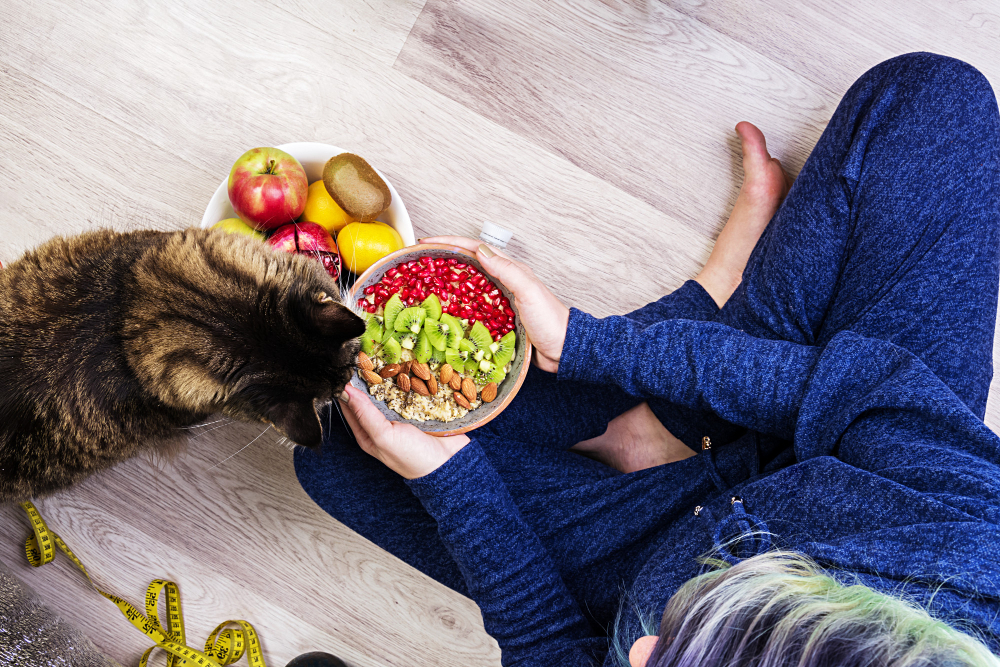
Learn essential pet nutrition and diet tips to ensure your pet gets balanced meals, proper feeding routines, and long-term health benefits.
Proper nutrition is the foundation of your pet’s health and well-being. Just like humans, pets need a balanced diet to stay active, maintain a healthy weight, and prevent diseases. Whether you have a dog, cat, or other companion animal, understanding the basics of pet nutrition will help you provide the best care possible.
1. Importance of Balanced Nutrition
A balanced diet includes proteins, carbohydrates, fats, vitamins, and minerals. Each nutrient plays a vital role in your pet’s growth, energy levels, and immune system.
- Proteins support muscle growth and repair
- Fats provide energy and maintain healthy skin
- Carbohydrates offer quick energy
- Vitamins & minerals support overall body functions
Lack of proper nutrition can lead to health issues like Malnutrition and weakened immunity.
2. Choosing the Right Food
Selecting the right food depends on your pet’s age, breed, size, and activity level.
- Puppies and kittens need high-protein diets for growth
- Adult pets require balanced maintenance food
- Senior pets may need low-calorie, easily digestible meals
Always choose high-quality pet food and avoid cheap, low-nutrient options. Read labels carefully to ensure proper ingredients.
3. Portion Control and Feeding Schedule
Overfeeding is one of the main causes of Obesity in pets.
Tips:
- Feed your pet at the same time every day
- Follow recommended portion sizes
- Avoid constant snacking
Consistency helps maintain digestion and prevents overeating.
4. Importance of Fresh Water
Hydration is just as important as food. Always provide clean, fresh water. Dehydration can cause serious health problems, especially during hot weather.
5. Foods to Avoid
Some human foods are harmful or toxic to pets. Avoid giving:
- Chocolate
- Onions and garlic
- Grapes and raisins
- Spicy or oily food
These can lead to poisoning or digestive problems.
6. Homemade vs Commercial Diets
Both homemade and commercial pet foods have benefits.
Homemade diets:
- Fresh and customizable
- Require proper nutritional knowledge
Commercial diets:
- Convenient and balanced
- Formulated by experts
If you choose homemade meals, consult a vet to ensure nutritional balance.
7. Special Diet Needs
Some pets require special diets due to health conditions such as allergies, diabetes, or kidney problems. In such cases, a veterinarian-recommended diet is essential.
8. Treats and Snacks
Treats should be given in moderation. While they are useful for training and bonding, too many treats can lead to weight gain and poor health.
9. Signs of Poor Nutrition
Watch for these warning signs:
- Dull coat
- Low energy
- Weight loss or gain
- Digestive issues
These may indicate your pet’s diet needs improvement.
10. Regular Monitoring
Regularly monitor your pet’s weight and eating habits. Adjust the diet as needed based on age, activity, and health condition.
Conclusion:
Providing proper nutrition is one of the most important responsibilities of a pet owner. A balanced diet, correct portion sizes, and healthy feeding habits can significantly improve your pet’s quality of life. By understanding your pet’s nutritional needs and making informed choices, you can ensure they stay healthy, active, and happy for years to come.