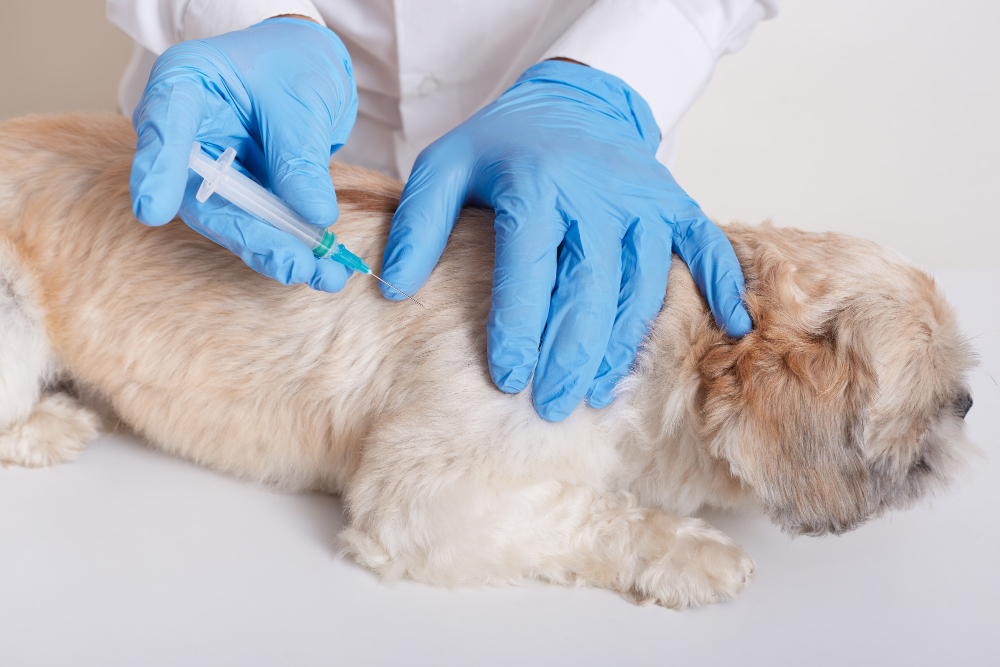
A complete guide to pet vaccinations, including core vaccines, schedules, and why they are essential for your pet’s health and safety.
Vaccination is one of the most important aspects of responsible pet ownership. It protects pets from serious and potentially life-threatening diseases while also preventing the spread of infections to other animals and humans. Whether you have a dog, cat, or other companion animal, understanding vaccination basics is essential for keeping your pet healthy.
Why Vaccination is Important
Vaccines help your pet’s immune system recognize and fight harmful diseases. They reduce the risk of severe illness, long-term health problems, and costly treatments. Some diseases can even be fatal if not prevented in time.
Vaccination also plays a key role in controlling outbreaks and protecting public health. Diseases like Rabies can spread from animals to humans, making vaccines crucial for safety.
Core vs Non-Core Vaccines
Core vaccines are essential for all pets, regardless of their lifestyle. These protect against highly contagious and dangerous diseases.
For Dogs:
- Rabies
- Parvovirus
- Distemper
For Cats:
- Rabies
- Feline Panleukopenia
- Feline Herpesvirus
Non-core vaccines are optional and depend on your pet’s environment, lifestyle, and exposure risk. Your veterinarian will recommend these based on your pet’s needs.
Vaccination Schedule
Vaccination usually begins at an early age. Puppies and kittens receive a series of vaccines to build immunity.
For Puppies:
- 6–8 weeks: First vaccine dose
- 10–12 weeks: Booster dose
- 14–16 weeks: Final dose
- Annual boosters thereafter
For Kittens:
- 6–8 weeks: First vaccine
- 10–12 weeks: Booster
- 14–16 weeks: Final dose
- Regular boosters as advised
Adult pets also need booster shots to maintain protection over time.
Common Side Effects
Vaccines are generally safe, but mild side effects can occur. These include:
- Slight fever
- Reduced appetite
- Mild swelling at injection site
- Temporary tiredness
Serious reactions are rare but require immediate veterinary attention.
Tips for Pet Owners
1. Follow a Schedule:
Stick to your pet’s vaccination timetable to ensure continuous protection.
2. Keep Records:
Maintain a vaccination card or digital record for future reference.
3. Consult Your Vet:
Always discuss your pet’s lifestyle and health condition before choosing vaccines.
4. Avoid Skipping Boosters:
Missing booster shots can reduce immunity and leave your pet vulnerable.
When to Avoid Vaccination
If your pet is sick, weak, or recovering from illness, consult your vet before vaccination. Pregnant pets may also require special consideration.
Conclusion:
Vaccination is a simple yet powerful way to protect your pet from dangerous diseases. By following a proper schedule and consulting your veterinarian, you can ensure your pet lives a long, healthy, and happy life. Prevention is always better than cure, and vaccination is the first step toward responsible pet care.