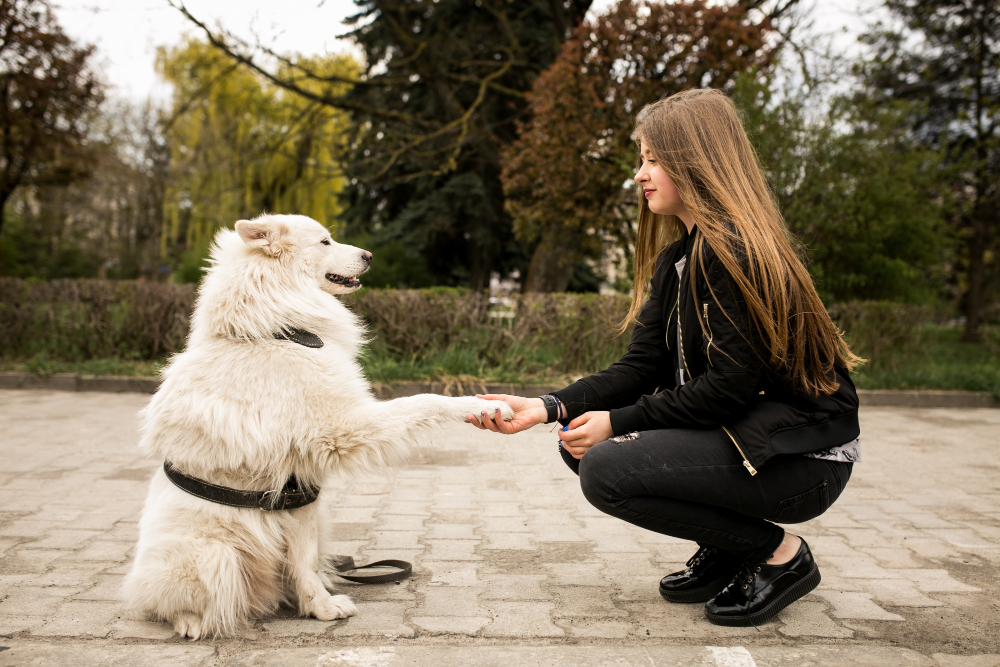
Learn essential puppy training basics including house training, commands, and behavior tips to raise a happy and well-behaved dog.
Training your puppy is one of the most important steps in raising a happy, confident, and well-behaved dog. Early training helps your puppy understand rules, develop good habits, and build a strong bond with you. While it may seem challenging at first, consistent and positive training can make the process enjoyable for both you and your pet.
1. Start Training Early
Puppies learn quickly, especially during their first few months. Starting early helps prevent bad habits from forming. Basic training should begin as soon as your puppy arrives home.
Early training also supports social development and reduces behavioral issues like aggression and anxiety.
2. Use Positive Reinforcement
Positive reinforcement is the most effective training method. This means rewarding your puppy for good behavior instead of punishing mistakes.
Examples of rewards:
- Treats
- Praise
- Toys
This approach encourages your puppy to repeat good behavior and builds trust.
3. House Training (Toilet Training)
House training is usually the first step in puppy training.
Tips:
- Take your puppy outside frequently
- Maintain a fixed schedule (after meals, sleep, play)
- Reward immediately after successful toileting
- Avoid punishment for accidents
Consistency is key to successful house training.
4. Teaching Basic Commands
Basic commands help control your puppy’s behavior and ensure safety.
Important commands include:
- Sit
- Stay
- Come
- Down
How to train:
- Use a treat to guide your puppy
- Say the command clearly
- Reward immediately when they follow it
- Repeat regularly
Keep sessions short (5–10 minutes) to maintain focus.
5. Socialization
Socialization helps your puppy become comfortable around people, animals, and new environments.
Tips:
- Introduce your puppy to different people
- Allow safe interaction with other pets
- Expose them to new sounds and places
Proper socialization reduces fear and aggression later in life.
6. Leash Training
Teaching your puppy to walk on a leash is important for outdoor activities.
Steps:
- Start indoors with a lightweight leash
- Let your puppy get used to wearing it
- Reward calm walking
- Avoid pulling or forcing
Patience is important during this process.
7. Managing Biting and Chewing
Puppies naturally chew and bite as they explore.
Tips:
- Provide chew toys
- Redirect biting behavior to toys
- Avoid encouraging rough play
- Stay consistent with rules
Proper guidance prevents destructive habits.
8. Creating a Routine
A structured routine helps your puppy feel secure and learn faster.
Daily routine should include:
- Feeding time
- Training sessions
- Playtime
- Rest
Consistency improves behavior and reduces stress.
9. Avoid Common Training Mistakes
- Inconsistency in commands
- Punishing instead of rewarding
- Long training sessions
- Ignoring small bad behaviors
Avoiding these mistakes ensures effective training.
10. Health and Training Connection
A healthy puppy learns better. Poor health or discomfort can affect behavior. Issues like Anxiety can make training difficult.
Ensure proper nutrition, exercise, and regular vet check-ups for better results.
Conclusion:
Puppy training is a rewarding journey that builds a strong foundation for your dog’s future. By starting early, using positive reinforcement, and maintaining consistency, you can raise a well-behaved and happy pet. Remember, patience and love are the keys to successful training. With the right approach, your puppy will grow into a loyal and well-mannered companion.