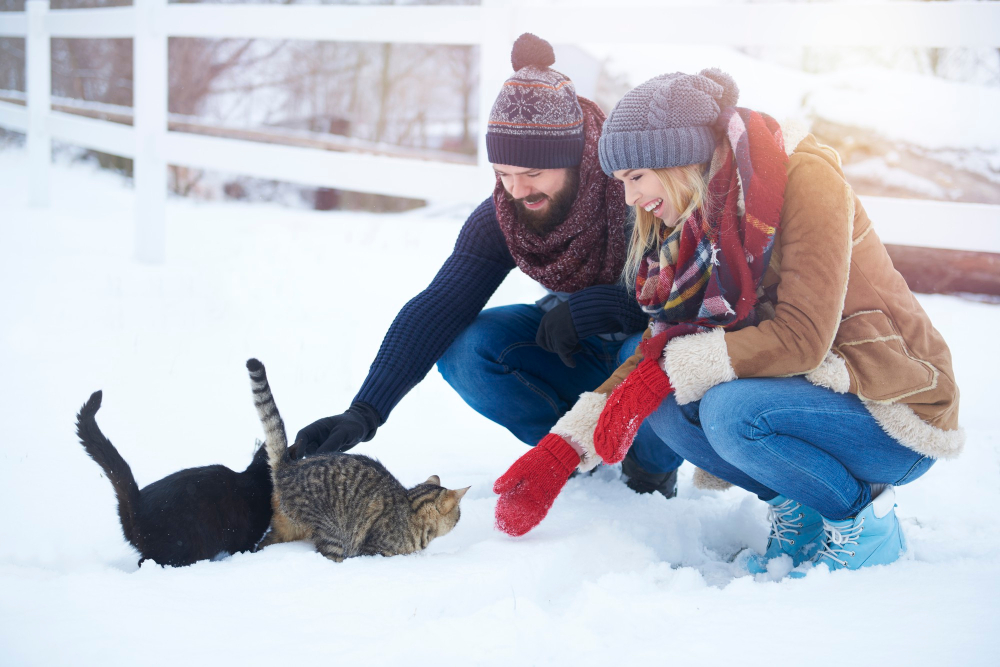
Learn essential seasonal pet care tips to keep your pet safe, comfortable, and healthy during both summer heat and winter cold.
Caring for your pet throughout the year requires adjustments based on seasonal changes. Both summer and winter can bring unique challenges that affect your pet’s health and comfort. As a responsible pet owner, understanding how to adapt your pet care routine during extreme temperatures is essential.
Summer Pet Care Tips
Hot weather can be dangerous for pets, especially due to the risk of Heatstroke. Pets cannot regulate body temperature as efficiently as humans, making them more vulnerable to overheating.
1. Keep Your Pet Hydrated
Always provide fresh and clean water. During summer, pets drink more water to stay cool. Place multiple water bowls around your home if needed.
2. Avoid Midday Heat
Take your dog for walks early in the morning or late in the evening. Hot pavements can burn their paws. A simple test is to touch the ground with your hand—if it’s too hot for you, it’s too hot for your pet.
3. Provide Shade and Ventilation
Ensure your pet has access to a cool, shaded area. Never leave pets inside a parked car, even for a short time, as temperatures can rise rapidly and become life-threatening.
4. Grooming Matters
Regular brushing helps remove excess fur and keeps your pet cool. However, avoid shaving completely, as fur also protects pets from sunburn.
5. Watch for Signs of Overheating
Symptoms of heatstroke include excessive panting, drooling, weakness, and vomiting. If you notice these signs, move your pet to a cool place immediately and consult a veterinarian.
Winter Pet Care Tips
Cold weather also presents risks, especially for smaller or short-haired pets. Conditions like Hypothermia can occur if pets are exposed to extreme cold.
1. Keep Your Pet Warm
Provide warm bedding and keep your pet indoors as much as possible. For outdoor pets, ensure they have a well-insulated shelter.
2. Adjust Their Diet
Pets may need slightly more calories in winter to maintain body heat. Consult your vet for proper feeding adjustments.
3. Limit Outdoor Exposure
Shorten walks during extremely cold days. Smaller pets are more sensitive to cold and may require sweaters or protective clothing.
4. Protect Paws
Cold surfaces, ice, and chemicals can damage your pet’s paws. Clean and dry their paws after walks to prevent irritation.
5. Maintain Grooming Routine
Do not skip grooming in winter. A clean coat helps maintain insulation, but avoid over-bathing as it can dry out the skin.
General Seasonal Care Tips
Regardless of the season, some practices remain important all year round:
- Regular vet check-ups ensure your pet stays healthy.
- Maintain proper hygiene and grooming routines.
- Monitor your pet’s behavior for any unusual changes.
- Provide a balanced diet and regular exercise.
Conclusion:
Seasonal changes can significantly impact your pet’s health, but with proper care and attention, you can keep them safe and comfortable all year round. By adjusting your pet care routine for summer and winter, you ensure their well-being and strengthen your bond with them. A little extra effort each season goes a long way in keeping your pet happy and healthy.