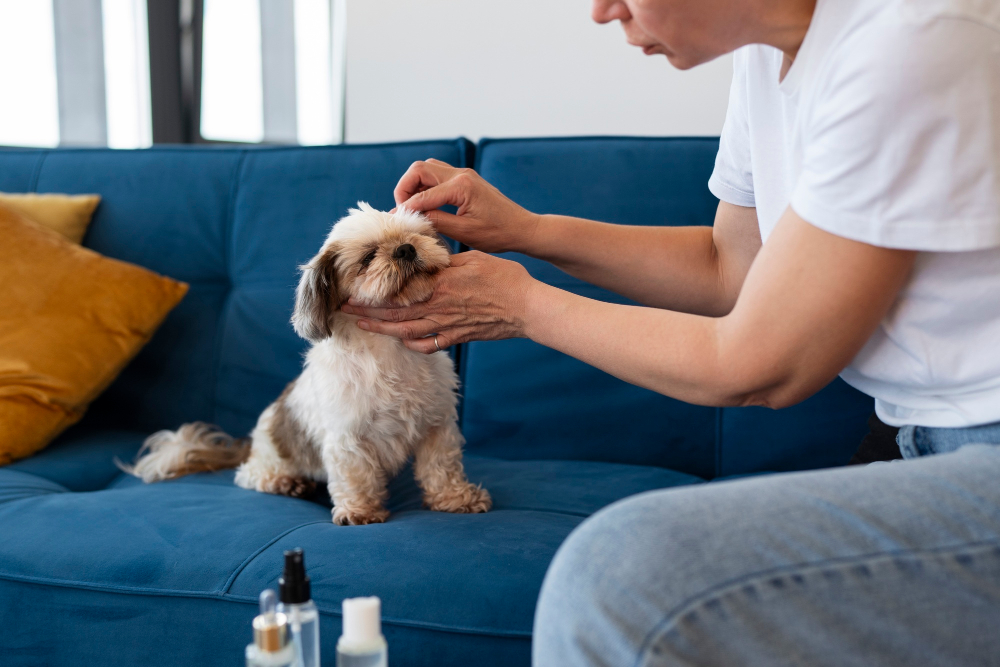
Learn essential skin and coat care tips for pets, including grooming, nutrition, and prevention of common skin problems.
Healthy skin and a shiny coat are strong indicators of your pet’s overall well-being. Proper skin and coat care not only improves appearance but also helps prevent common issues like irritation, dryness, and infections. Whether you have a dog or cat, maintaining a regular care routine is essential for keeping your pet comfortable and healthy.
1. Importance of Skin & Coat Health
Your pet’s skin is the largest organ in their body and acts as a protective barrier against bacteria, parasites, and environmental damage. A healthy coat supports insulation and protects the skin underneath.
Poor care can lead to conditions such as Skin Infections and Flea Infestation, which can cause discomfort and long-term health issues.
2. Regular Brushing
Brushing is one of the simplest ways to maintain a healthy coat.
Benefits:
- Removes loose fur and dirt
- Prevents matting and tangles
- Distributes natural oils
- Improves blood circulation
Tips:
- Long-haired pets: brush daily
- Short-haired pets: brush 2–3 times a week
3. Proper Bathing Routine
Bathing helps remove dirt, allergens, and excess oil.
Steps:
- Use lukewarm water
- Apply pet-safe shampoo
- Gently massage the coat
- Rinse thoroughly
- Dry properly
Tips:
- Avoid overbathing (once every 2–4 weeks is ideal)
- Use medicated shampoo if recommended by a vet
Overbathing can strip natural oils and cause dryness.
4. Nutrition for Healthy Skin & Coat
Diet plays a major role in maintaining healthy skin.
Important nutrients:
- Omega-3 and Omega-6 fatty acids
- High-quality protein
- Vitamins A and E
Poor nutrition can lead to dull coat, hair loss, and conditions like Malnutrition.
5. Hydration Matters
Adequate water intake keeps the skin hydrated and prevents dryness. Always provide fresh and clean water for your pet.
6. Parasite Control
Parasites like fleas and ticks can damage the skin and cause itching.
Prevention tips:
- Use vet-approved treatments
- Maintain cleanliness
- Regular grooming
Ignoring parasites can lead to infections and discomfort.
7. Identifying Skin Problems Early
Watch for warning signs such as:
- Excessive scratching
- Redness or inflammation
- Hair loss
- Dry or flaky skin
- Unusual odor
Early detection helps prevent serious conditions.
8. Seasonal Skin Care
Different seasons affect your pet’s skin:
- Summer: risk of heat and infections
- Winter: dryness and flaking
Adjust grooming and care routines based on weather changes.
9. Avoid Harmful Products
Never use human skincare or hair products on pets. Always choose pet-safe and vet-approved products to avoid irritation or allergic reactions.
10. When to Visit a Vet
Seek professional help if:
- Skin problems persist
- Severe itching or wounds appear
- Hair loss increases
- Signs of infection develop
A veterinarian can diagnose and treat underlying issues properly.
Conclusion:
Proper skin and coat care is essential for your pet’s comfort and overall health. By maintaining a regular grooming routine, providing balanced nutrition, and monitoring for early signs of problems, you can keep your pet’s skin healthy and their coat shiny. A little care every day goes a long way in ensuring your pet stays happy and healthy.