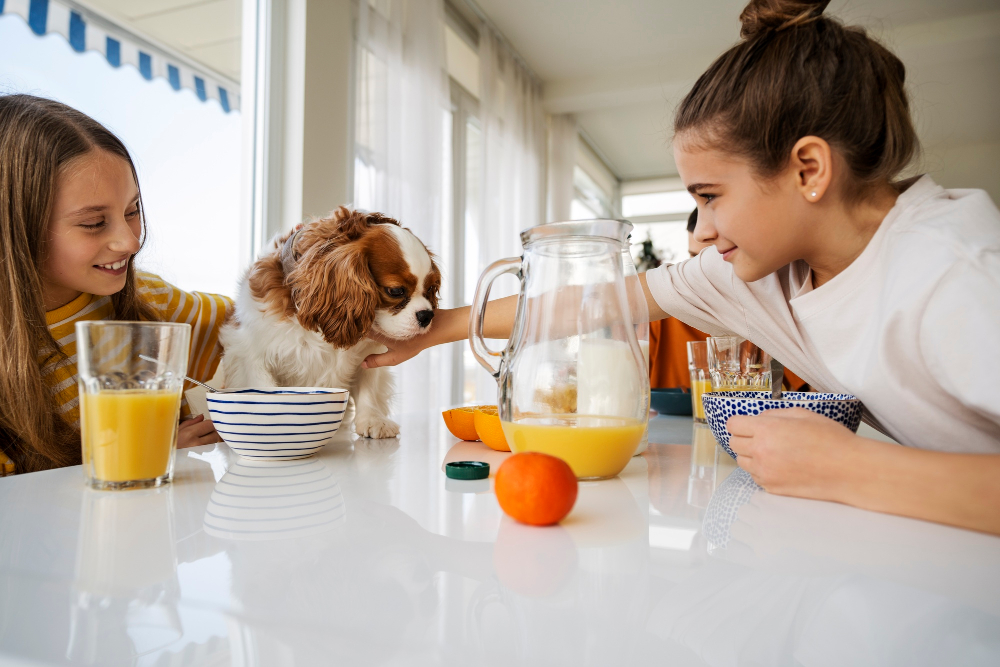
Learn about toxic foods that can harm your pets, including common household items to avoid and symptoms of poisoning in dogs and cats.
As a pet owner, it’s natural to want to share your food with your furry friend. However, many human foods can be dangerous or even life-threatening for pets. Understanding which foods are toxic and how they affect your pet is essential for keeping them safe and healthy.
1. Why Some Foods Are Toxic to Pets
Pets have different digestive systems than humans. Certain ingredients that are safe for us can cause serious health problems in animals, including organ damage, poisoning, and even death. Being aware of these risks is the first step in preventing accidents.
2. Chocolate
Chocolate is one of the most well-known toxic foods for pets. It contains theobromine, which dogs and cats cannot process effectively.
Symptoms:
- Vomiting
- Restlessness
- Rapid heart rate
- Seizures
Even small amounts can be dangerous, especially for smaller pets.
3. Onions and Garlic
Onions, garlic, and related foods can damage your pet’s red blood cells, leading to anemia.
Symptoms:
- Weakness
- Pale gums
- Loss of appetite
- Lethargy
These ingredients are harmful in both raw and cooked forms.
4. Grapes and Raisins
Grapes and raisins are highly toxic to pets and can cause kidney failure.
Symptoms:
- Vomiting
- Diarrhea
- Loss of appetite
- Reduced urination
The exact cause of toxicity is unknown, but even small amounts can be dangerous.
5. Dairy Products
Many pets are lactose intolerant, meaning they cannot properly digest milk and dairy products.
Symptoms:
- Diarrhea
- Gas
- Stomach discomfort
While not always toxic, dairy can cause digestive problems and should be limited.
6. Alcohol and Caffeine
Alcohol and caffeine are extremely harmful and should never be given to pets.
Symptoms:
- Confusion
- Vomiting
- Tremors
- Collapse
These substances can affect the nervous system and may be fatal.
7. Cooked Bones
Cooked bones can splinter easily and cause choking or internal injuries.
Risks include:
- Mouth injuries
- Blocked intestines
- Internal bleeding
Always avoid giving cooked bones to pets.
8. Xylitol (Artificial Sweetener)
Xylitol, found in sugar-free gum and sweets, is highly toxic to dogs.
Symptoms:
- Rapid drop in blood sugar
- Vomiting
- Weakness
- Seizures
Immediate veterinary attention is required if ingested.
9. Salty and Processed Foods
Foods high in salt, oil, or spices can harm your pet’s digestive system and lead to conditions like Dehydration.
Symptoms:
- Excessive thirst
- Vomiting
- Diarrhea
Processed foods should be avoided as part of a healthy pet diet.
10. Raw Dough and Yeast
Raw dough can expand in your pet’s stomach, causing discomfort and bloating.
Symptoms:
- Abdominal swelling
- Pain
- Difficulty breathing
This can become a serious emergency if not treated quickly.
11. Signs of Food Poisoning in Pets
If your pet consumes toxic food, watch for signs of Poisoning:
- Vomiting or diarrhea
- Weakness or lethargy
- Loss of appetite
- Tremors or seizures
Early detection can save your pet’s life.
12. What to Do in an Emergency
If you suspect your pet has eaten something toxic:
- Remove access to the food immediately
- Do not try home remedies without advice
- Contact a veterinarian right away
- Provide details about what your pet consumed
Quick action is critical in preventing serious complications.
Conclusion:
Keeping your pet safe starts with knowing what foods to avoid. Many common household items can be harmful, even in small amounts. By staying informed and cautious, you can prevent accidents and protect your pet’s health. Always prioritize a balanced pet diet and avoid feeding human food unless approved by a veterinarian.