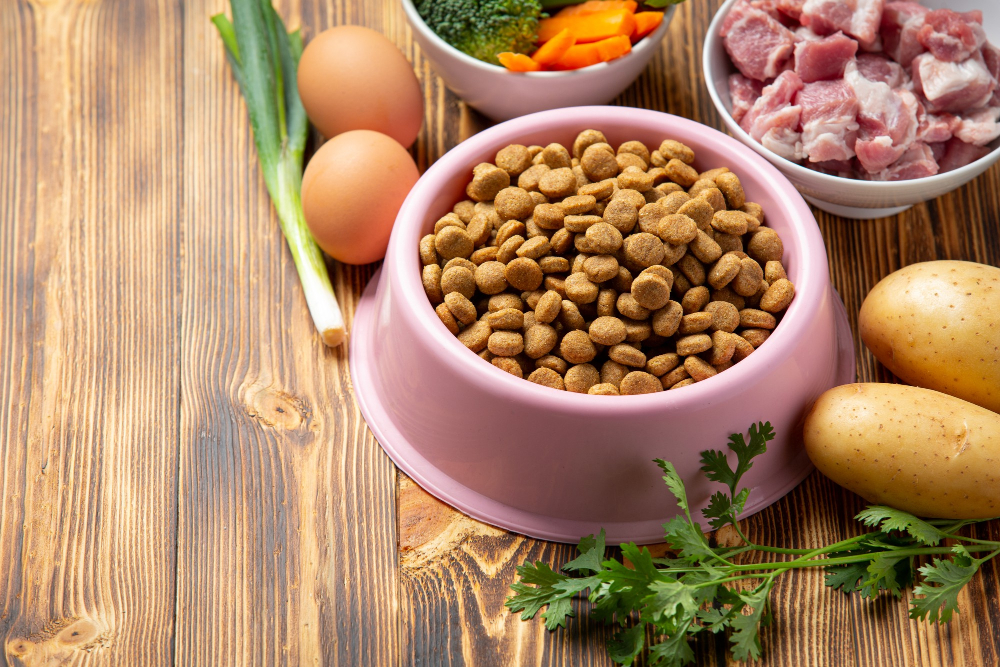
A complete guide comparing dry and wet pet food, including benefits, drawbacks, and how to choose the best diet for your dog or cat.
Choosing the right food for your pet is one of the most important decisions for their long-term health. The two most common options are dry food (kibble) and wet food (canned or pouch food). Both types can provide proper nutrition, but each has different benefits depending on your pet’s needs, lifestyle, and health condition.
Understanding the differences between dry and wet food will help you make the best choice for your furry friend.
1. What is Dry Food?
Dry food, also known as kibble, is made by processing ingredients like meat, grains, vitamins, and minerals into small crunchy pieces. It is low in moisture and easy to store.
Dry food is the most commonly used pet food worldwide due to its convenience and affordability.
2. What is Wet Food?
Wet food comes in cans, trays, or pouches and contains a high percentage of water. It usually has a soft texture with meat, gravy, or broth.
Wet food is often more aromatic and appealing to pets, especially picky eaters or older animals.
3. Benefits of Dry Food
Dry food offers several practical advantages:
- More affordable and budget-friendly
- Long shelf life and easy storage
- Convenient for daily feeding
- Helps in mild dental cleaning through chewing
- Easy to measure and serve
Dry food is ideal for busy pet owners and larger pets that require more calories at a lower cost.
However, it contains less moisture, so pets must drink enough water daily to stay hydrated.
4. Benefits of Wet Food
Wet food also has important advantages:
- High moisture content helps hydration
- More flavorful and attractive for pets
- Easier to chew for senior pets or pets with dental issues
- Often contains higher protein levels per calorie
Wet food can help prevent dehydration-related issues and is especially useful for pets that do not drink enough water.
5. Nutritional Comparison
Both dry and wet foods can be complete and balanced if they meet veterinary standards.
- Dry food: more calorie-dense, less moisture
- Wet food: lower calories per gram, higher water content
Wet food supports hydration, while dry food supports convenience and long-term storage.
Many vets recommend combining both for balanced nutrition.
6. Health Considerations
Choosing between dry and wet food depends on your pet’s health:
- Overweight pets may benefit from portion-controlled dry food
- Pets with kidney or urinary issues may benefit from wet food due to hydration
- Senior pets may prefer soft wet food
- Active pets may require energy-dense dry food
Both types can support healthy growth if chosen correctly.
7. Which One is Better?
There is no single “best” option. The right choice depends on your pet’s:
- Age
- Health condition
- Activity level
- Hydration needs
- Eating habits
In many cases, a mixed diet (dry + wet food) works best. It combines the benefits of both—hydration from wet food and convenience from dry food.
8. Expert Recommendation
Veterinarians generally recommend high-quality commercial pet food that meets nutritional standards. Whether dry or wet, the most important factor is balanced nutrition, not just food type.
Always choose trusted brands and avoid low-quality fillers or unsafe ingredients.
Conclusion:
Both dry and wet pet foods have unique advantages. Dry food is convenient, affordable, and long-lasting, while wet food provides hydration and higher palatability. The best choice depends on your pet’s individual needs. In many cases, combining both types creates a balanced and healthy diet. By understanding your pet’s requirements, you can ensure a healthier and happier life for them.